As June approaches, many people getting ready to visit Yellowstone for the first time are asking questions about what summer in the park is like. Weather, crowds, wildlife, and vegetation all change significantly as the park warms up. Here’s what you should expect.
Summer comes late
As with spring, summer also comes late in most of Yellowstone, and by the reckoning of folks from warmer climes, maybe doesn’t truly arrive at all. Most of the park is higher than 7,000 feet (2,100 meters), and as such you’ll experience mountain weather. Spring storms commonly drop snow in June, and even into July. Snow is uncommon in August, but mornings are often brisk, and “hot” by our standards is 80°F (26°C).
Of course, some areas in and around the park are lower or more arid, and thus have a warmer climate. The area around Gardiner, in particular, is quite warm and desert-like in the summer.
You should expect any kind of weather – hot, cold, rain, snow, hail, and cloudless blue skies. Wear layers, bring rain gear and jackets, and be prepared to add or remove layers while in the park. (For more information, see our packing guide.)
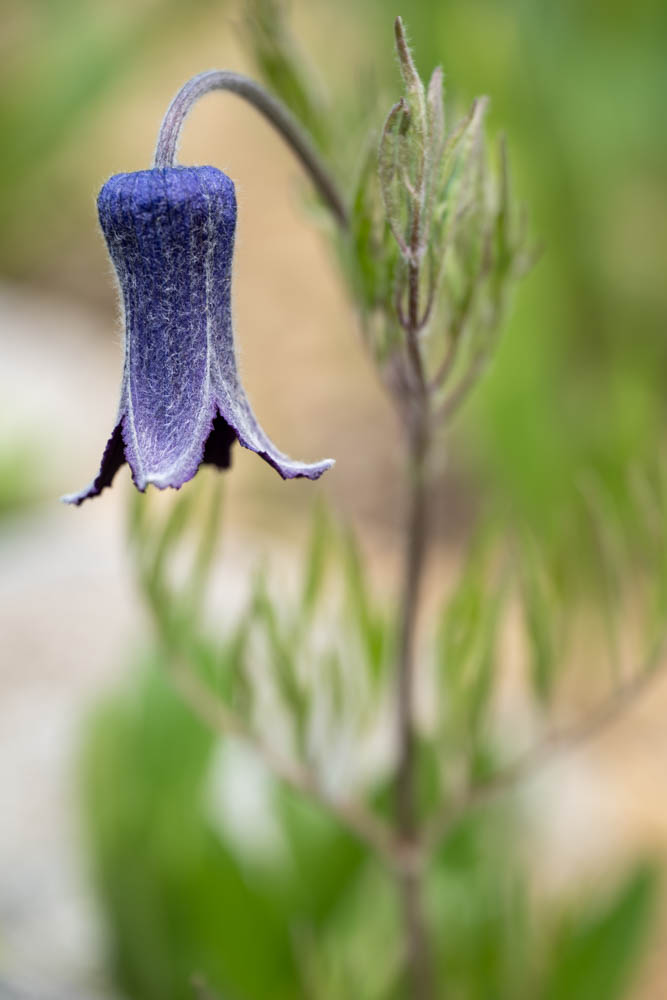
Wildflowers also come late
In many parts of the world, people are accustomed to the first flowers appearing in March or April, and wildflower season is in full swing in May. Here, we usually still have snow on the ground in May. This means summer is wildflower season here!
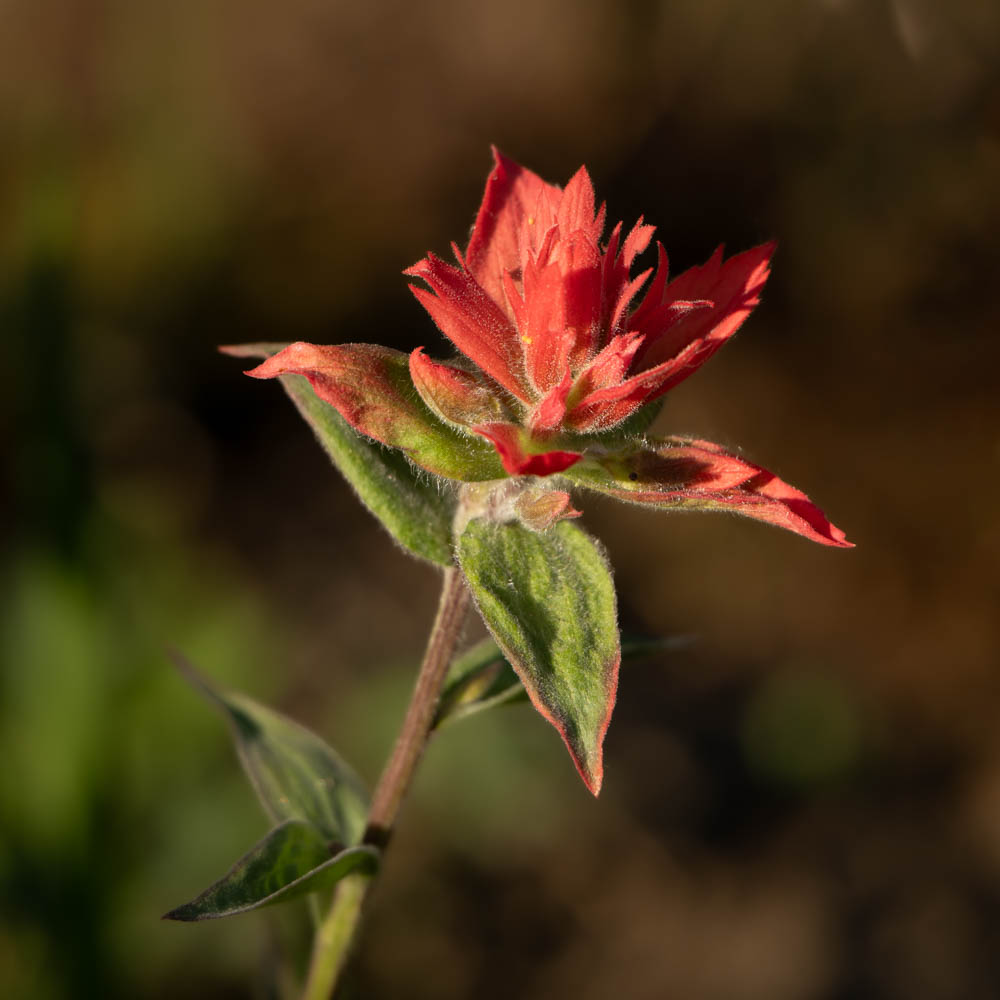
You may see the very earliest flowers start to appear in late May to early June. By late June to early July, wildflower season is in full swing. This is highly elevation-dependent, though! At higher elevations, such as the almost 11,000 foot (3,300 meter) peak of the Beartooth Pass, wildflowers can be found in August.
Wildlife changes
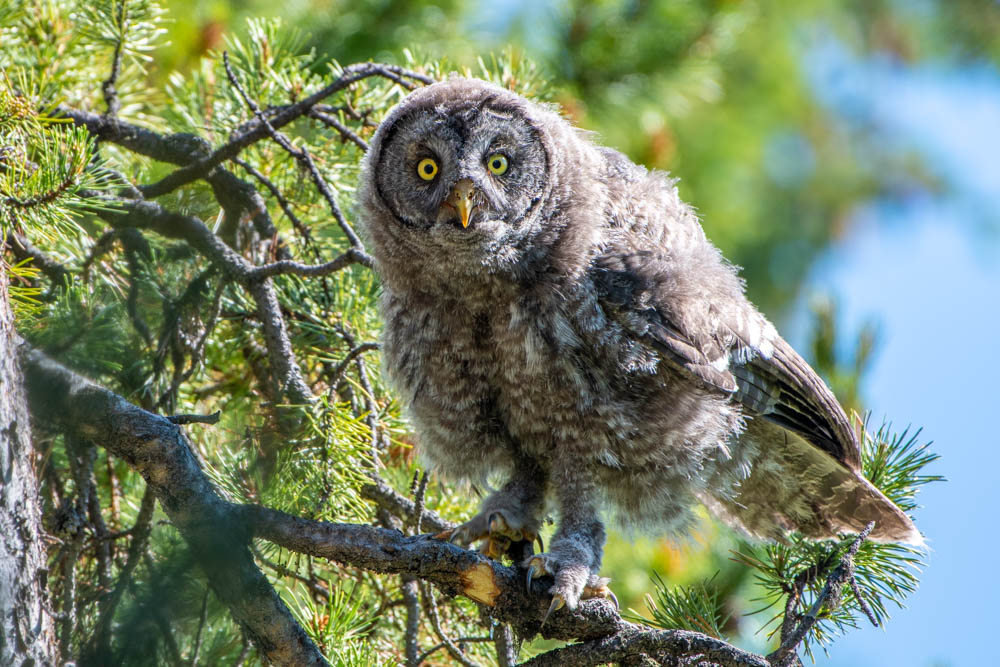
Migratory birds start to show up in spring, and by June or July may have nestlings starting to leave the nest. This is a fun time in particular to find young owls.
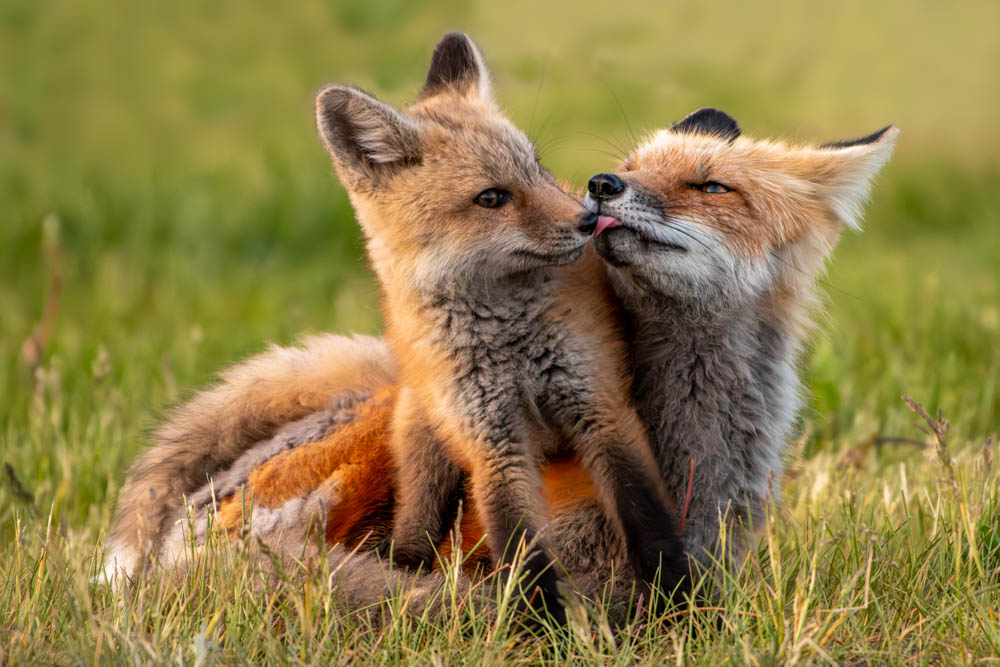
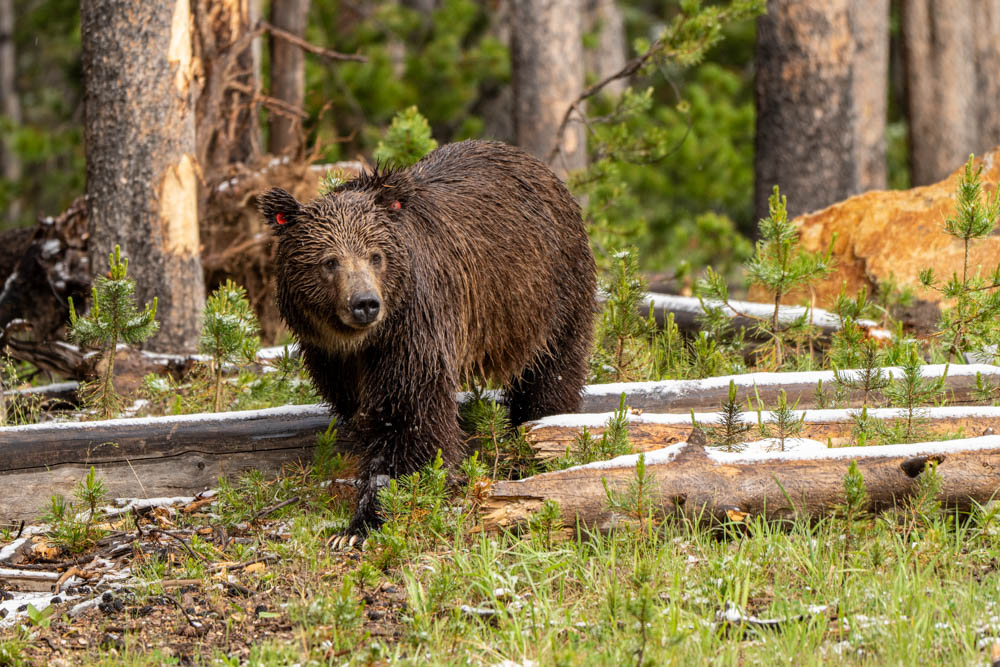
Other animal babies are on display in early summer as well, though they’re growing older. Bear cubs and elk calves are getting bigger, and will be less shy – and thus more visible – than in their first weeks of life.
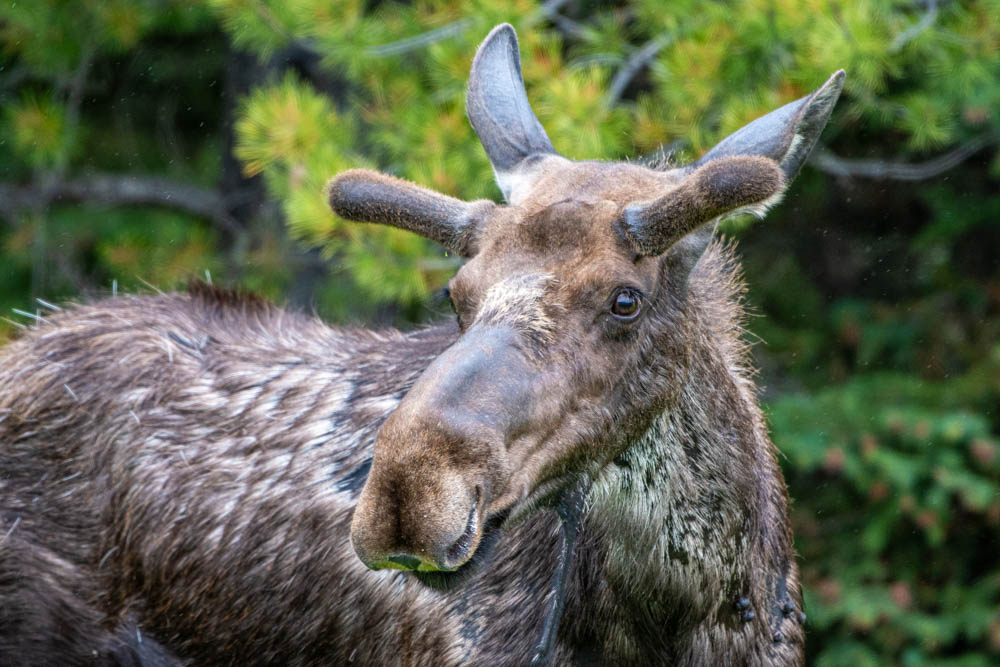
Ungulates, such as bison, moose, elk, deer, bighorn sheep, and mountain goats, will not be at their prime in early summer. They will be shedding their winter coats, and thus will look a bit unkempt. Later in the season, they will look more sleek.
Moose, elk, and deer will have dropped their antlers and a new set will be growing in. This is not the time of year to photograph these animals with large racks. Fall is the best time for that.
In July and August, as the weather warms up, animals seek out cooler places. Many animals become hard to extremely unlikely to spot midday, as they will move into the shade of the forest or to higher elevations to escape the heat.
People problems
As schools start to let out for the summer, families start to go on vacations. This means crowds! July and August in particular are the most crowded months in the park. Lines at the gates start to get long, parking lots at popular attractions fill up, and traffic jams precipitate for the smallest of reasons, such as a bison on the side of the road.
During summer, it can sometimes feel like people left their brains at home. We have people crossing the road in traffic, and sometimes getting hit. We have folks driving cars into Yellowstone lake, hot springs, or the solid rock of a cliff face. People take selfies with bison, sometimes getting gored and/or tossed high in the air for their efforts. In the thermal areas, people go walking off the boardwalks, endangering themselves and damaging thermal features.
Fortunately, there are ways to manage these “people problems.” First, get out early. You’ll avoid most crowds by being in the park around dawn or dusk, and you’ll see more wildlife at those times as well. You’ll also find more parking at popular spots like Grand Prismatic or the Canyon overlooks.
Second, bring a picnic lunch to eat. There’s very little food in the park, mostly at major attractions like Old Faithful, Canyon, or Mammoth. If you enter that fray around lunchtime, expect to find long lines. It’s far better to find a pretty spot and just eat a sandwich from a cooler while sitting on the tailgate, a well-placed rock, or even a blanket on the ground.
Third, don’t be part of the problem. Don’t stop in the middle of the road, use pullouts instead. If you get out of the car to get a better look at something, don’t get too close to animals, and be cautious with traffic. Remember, drivers may be looking at something other than the road. As tempting as it is, don’t take your eyes off the road if you’re the driver.
Fourth, consider getting off the road. Most visitors never go out of sight of roads or boardwalks, so hiking a trail can be a great way to avoid the crowds. Just be sure to be bear safe, no matter where or how far you’re walking!
Finally, consider heading out of the park. There are amazing things to see in and around Gardiner, Cooke City, Cody, and the entire west side of the park from West Yellowstone to Big Sky. You can find hikes and roads less traveled that are no less spectacular than most of Yellowstone itself.
Summer is a great time to visit
Despite the drawbacks, summer is still a wonderful time to visit Yellowstone. Locals like to complain about summer in Yellowstone, but in reality, millions of people visit every year, most in summer, and still have amazing experiences.
I’m awfully spoiled by living near the park, and being able to visit whenever I choose. But if I could only visit when the kids were out of school for summer, I’d still consider a day in the park in the summer to be far better than being most other places.
Comments
2 responses to “Summer in Yellowstone”
Great tips. Will you do the same for the fall? I’m planning a late September trip
Thanks! I’m definitely planning to do fall and winter blogs as well, closer to those seasons, as well as other guides. Feel free to e-mail me with any suggestions you’d like to see or questions you may have before then!