Yellowstone and the Greater Yellowstone Ecosystem (including Big Sky, where Backroads Bear Adventures is based) is an amazing place to visit any time of year. A trip to this area can be enormously rewarding. There’s so much to do and see, and it changes constantly throughout the year, so a visit in the winter can be completely different from one in the summer.
However, this area can also be very capricious and unforgiving. Your explorations can go downhill very quickly if you’re not prepared. Risks range from the mild, such as a sunburn or getting soaked by rain on the trail, to the deadly, such as dehydration, hypothermia, or animal attack.
So how do you explore this area safely? A big part of it is being prepared.
Clothing
Weather in this part of the country changes quickly. Storms can roll in with little to no warning, and temperatures can change rapidly. Location is also a factor, and you can easily travel a couple miles and see the temperature change by 10°F or more. Even in the summer, it gets cold fast when the sun goes down. The sun is also more powerful at this altitude than you may be used to.
My recommendations below mention summer and winter. Spring and fall can fall into either of those buckets. Keep in mind that there are areas here where snow can still be found in July, and first snowfalls in the mountains often happen in September.
Here’s what to bring with you:
- Layers!
- In summer, early morning temperatures can be in the 40s (5-10°C), then go up into the 80s or 90s (26°-37°C)
- In winter, it’s possible for temperatures to drop well into the negatives
- Wool or synthetic layers are better than cotton, as they dry quickly, while cotton stays wet
- Rain gear
- A hat
- One that protects you from the sun in summer
- One that covers your ears and keeps you warm in winter
- Lightweight long sleeve shirts and long pants with SPF protection (summer)
- You may like shorts and t-shirts, but even if you don’t fear the sun, sagebrush, rocks, and pine trees can scratch you up on hikes if you don’t have some protection
- Wool socks
- Thick socks in winter, lightweight in the summer
- Wool wicks water away, helping to keep your feet dry
- Good boots
- If you’re going to do any hiking, you need something comfortable, NOT brand new boots that haven’t been broken in yet!
- For winter, boots should be insulated and should have soles that give more traction on ice, even if you’re just walking in town
- Gloves or mittens (winter)
- Consider bringing thin glove liners and thicker gloves
- Sunglasses
- No matter the time of year, you’ll need these!
- Snow pants (winter)
- A good pair that can hook on your boots to keep snow out is essential for hiking in snow or snowshoeing
- Gaiters can also keep snow out of your boots, but would not replace snow pants otherwise.

Hiking gear
Whether you’re going on a short walk or camping in the backcountry, it’s good to be prepared. You never know what you’re going to encounter or what might happen. (If you go on a tour with us, your guide will have the items marked in bold, and may be able to let you borrow other things.)
- A good pack
- You’ve got things to carry – water, at a minimum! Make sure you’ve got something that will comfortably hold what you need.
- Water bottles/bags
- Some packs have water bags with a tube you can suck on for a drink. These are very convenient for day hikes, but less ideal when camping. If they rupture in your pack, you’ll have a bad night with wet gear!
- You’ll need more water than you think you will, especially if you’re from lower elevation. At least 2 liters is needed for a full day or strenuous hike.
- Microspikes (winter)
- Some high-traffic hiking or walking trails can turn to literal ice. Something that lets you attach actual spikes to the bottom of your boots, like Kahtoola microspikes, can make a huge difference!
- Hiking poles
- These are optional, but can be very handy on uneven ground or when crossing a stream
- Bear spray
- This should be immediately accessible! An angry bear won’t wait for you to get it out of your pack
- Know how to use it!
- This also works for other dangerous animals, like moose, elk cows with calves, mountain lions, etc
- You can’t fly with bear spray, so you’ll need to get it locally
- First aid kit
- Some moleskin and band-aids at a minimum
- Food
- Even for a short hike, bring some snacks. Something with sugar for quick energy and protein for longer-lasting energy. It’s not fun running out of energy in the backcountry and having nothing to eat!
- Gorp (good old raisins & peanuts) is a cheap, durable, and effective snack
- Emergency communication device
- A Garmin with an SOS button is handy if you run into trouble where there’s no cell service
- A phone capable of making emergency calls via satellite would also work
- If you don’t have any of this, make sure you tell someone exactly where you’re going and when you’ll be back. If they don’t hear from you, they can send help
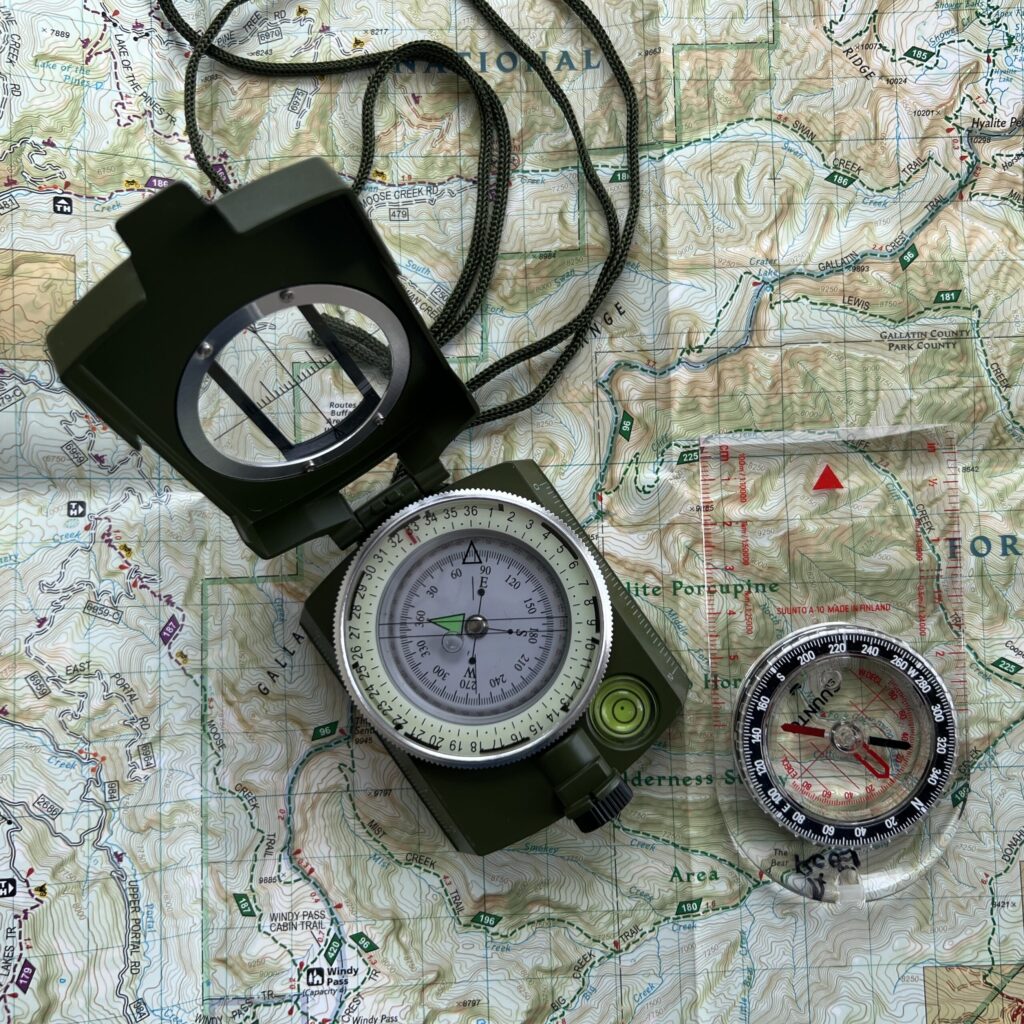
- A compass and paper map
- If you’re going into the backcountry, relying on electronic maps isn’t wise. If you get lost, you’ll need something you can use to find your way out that isn’t reliant on batteries.
Camera gear
If you’re a photographer, there are some things you’ll want to have. This list assumes that you’re using a digital SLR, not a phone camera or other simple point-and-shoot camera. (If you go on a tour with us, some of this can be borrowed, and we can help you rent other things from a local camera store.)
- A variety of lenses
- Long lenses will be needed for animals
- Mid-range zooms are good for closer animals or scenics
- A very wide-angle lens with a low f-stop would be important for photographing our amazing night skies
- A macro lens if you want to do any close-ups
- A way to carry your camera for quick access
- Mostly relevant for hikes where you’re looking for wildlife. You’ll want to be able to shoot quickly, without needing to fumble a camera out of a bag or pack, yet have your hands free when not shooting.
- A tripod
- These are important for low light shots, as well as stabilizing a long lens for wildlife shots
- If you’ll be hiking any significant distance, bring a lightweight tripod
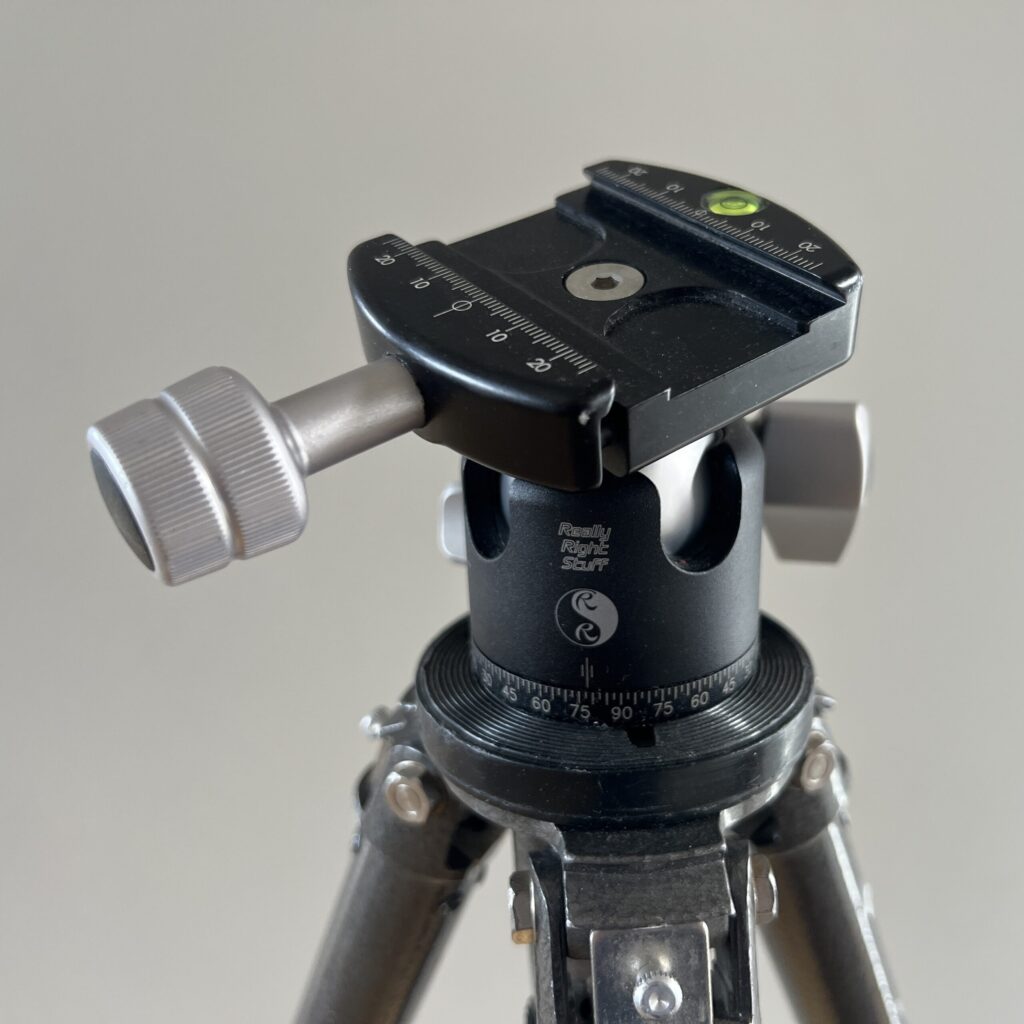
- A good tripod head
- A gimbal head is best for tracking wildlife with a long lens
- A ball head is very versatile and can do a lot, including tracking wildlife
- A specialty head for macro work if that’s your thing
- A monopod
- More mobile for photographing animals that are active, but a camera or lens with good vibration reduction can also be hand-held with good results
- A rain cover
- It’s no fun to miss a shot in the rain because you don’t want to get your camera wet
- Lens cleaning supplies
- Rain, snow, dust, mud, etc… all can be problems without cleaning supplies
- Spare batteries and memory cards
- Don’t run out of power or storage space in the middle of nowhere!
- A pack to carry all the camera gear you think you’ll need on hikes
- Make sure the pack has a rain cover. If it rains and you want to stow your gear, you’ll want to keep it dry.
Miscellaneous supplies
If you go on a tour with us, you will be able to borrow items marked in bold.
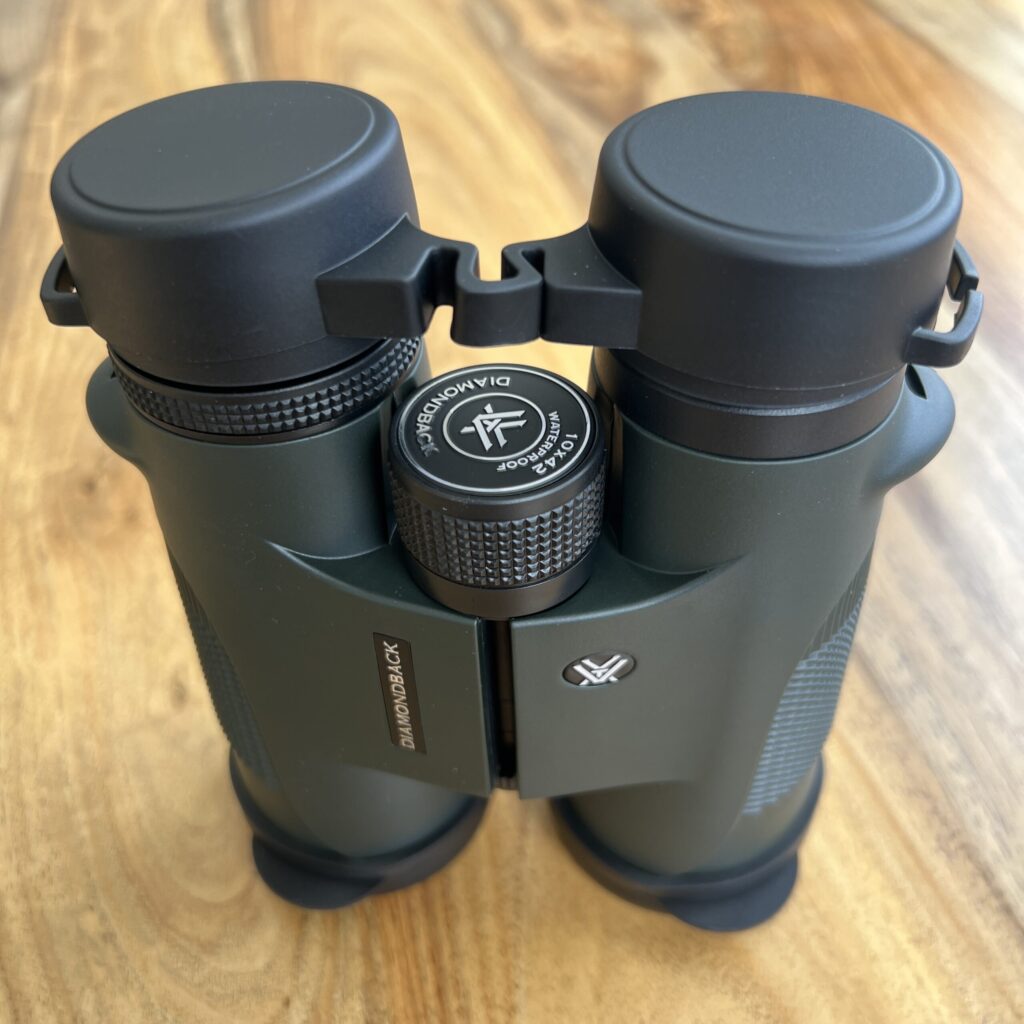
- Binoculars
- If you see something of interest, like an animal, you may want a closer look but can’t (or shouldn’t) get closer
- Spotting scope and tripod
- Some animals in Yellowstone will be at a distance greater than what binoculars or a long camera lens can see. A spotting scope can help you observe wildlife such as wolves from a significant distance.
- Headlamp or flashlight
- If you’re going to be out at night, it will be very dark if there’s no moon or if there are clouds
- Hand/foot warmers (winter)
- These go inside your gloves and boots to keep your extremities warm
- They can also be strapped to a camera lens for long night shoots in cold weather, to prevent lens fogging
Camping
I don’t do a lot of camping, so I don’t have specific gear recommendations, but there are some things to consider.
- It gets cold!
- Even in summer, much of Yellowstone and the surrounds are at high elevation. This means cold temperatures at night, sometimes even close to freezing even in July or August.
- Be bear safe!
- Some campgrounds recommend or require hard-sided camping. This means something like an RV or camper instead of a tent.
- Be prepared to keep your food in a bear box at campgrounds or in a bear safe bag in the backcountry.
- Don’t cook at your campsite.
- Don’t bring food, or even clothes you wore while cooking, to your campsite.
- Have water treatment supplies
- It’s very dry here, so you’ll need more water than you can carry when backpacking in the backcountry. You’ll need to be prepared to refill bottles from a stream or lake, and that water will need to be treated. Don’t trust it just because it looks clear!
- Don’t pack too heavy
- When backpacking, many trails in this area can have significant elevation gain. If your pack is too heavy, you’ll struggle, especially if you’re not acclimated to the altitude.
Leave a Reply